Animal Books: Why Children Love Animal Stories So Much

- The psychology behind the animal magic
- Recognition without judgment
- Why animals are more universal than people
- What animal stories add to a child's development
- Which animal books suit which age
- Ages 0-2: simplicity and repetition
- Ages 3-5: story and emotion
- Ages 6-8: adventure and humour
- How to get more from animal stories at home
- The power of your child as the main character
- The lasting magic of animal stories
Take a peek at the bookshelf of almost any family with young children. Chances are you'll spot a very hungry caterpillar, a bear with a taste for honey, a clever mouse outwitting a Gruffalo, or an elephant with wonderfully oversized ears. Animals are everywhere in children's books, and that is no accident. For generations, animal stories have been the undisputed favourite in the nursery.
But why exactly? Why does a child feel more drawn to a rabbit who is scared of the dark than to a human child going through the very same thing? The answer sits at a fascinating crossroads of developmental psychology, imagination, and emotional safety. Below, I'll unpack the science behind the animal magic and give you concrete ways to make the most of it at home.
The psychology behind the animal magic
Children live in a world largely populated by people who are bigger, faster, and more powerful than they are. An animal character quietly turns that power dynamic on its head. A tiny mouse clever enough to outsmart a huge monster gives a child exactly that feeling of, "I'm small too, but I can still make a difference."
Developmental psychologist Jean Piaget described how young children, up to around age seven, move through a phase of "animism": they attribute human qualities to non-living and non-human things. To a toddler, it makes perfect sense that a teddy bear can feel sad or that a fox can talk. Animal stories slot neatly into this natural way of thinking.
There is also something researchers call "emotional distance." A story about a little hedgehog being left out lands gently, without feeling too threatening. The child recognises and processes the emotions but keeps enough distance not to feel overwhelmed. A study in Developmental Science even found that preschoolers remembered and applied moral lessons more effectively when the characters were animals rather than humans.
Recognition without judgment
Picture the classic standoff where your three-year-old flatly refuses to share with a friend. A story about a squirrel learning to share doesn't feel like a lecture aimed at their behaviour. It's a story about the squirrel, not about them. That safe detour is exactly why the message sticks without triggering resistance.
Why animals are more universal than people
One of the greatest strengths of animal characters is their universality. An illustration of a little girl always has a particular skin tone, hair colour, and set of clothes. Children who look different sometimes recognise themselves less easily. A rabbit or a bear cub, on the other hand, belongs to no one and to everyone at once. Any child, anywhere in the world, can see themselves in that bear.
This also explains why animal stories travel so effortlessly across cultures. Eric Carle's The Very Hungry Caterpillar has been translated into more than sixty languages and is understood the world over. A story built around a universal animal character carries no cultural baggage that needs translating or adapting.
- No social labels: animals come without preconceived ideas about gender, background, or status. A child freely projects their own inner world onto them.
- Clear character traits: an owl is wise, a fox is cunning, a lion is brave. These archetypes help children grasp abstract qualities like courage or slyness.
- Emotional safety: tricky themes like fear, loss, or jealousy become manageable when a small creature is the one living through them.
What animal stories add to a child's development
Animal books aren't just fun, they're genuinely useful for a child's broader development. They do far more than entertain.
Language development: animals make sounds, and those sounds are a golden stepping stone into language. The "moo" of the cow and the "ribbit" of the frog are often among the very first words a baby imitates. Sound effects stimulate hearing and the speech muscles in a wonderfully playful way.
Empathy and emotional intelligence: research from institutions including the University of Cambridge suggests that children who read plenty of stories in which characters experience emotions become better at taking other perspectives. Animal stories are especially effective here because the emotions are drawn so clearly and recognisably.
Knowledge of the natural world: a story about a penguin in Antarctica or an elephant on the savannah sparks curiosity about the real world. Many children develop their first interest in biology and nature through a beloved animal book.
Cognitive skills: stories in which an animal has to solve a problem train logical thinking. The child follows along, thinks ahead, and learns to understand cause and effect.
Which animal books suit which age
Not every animal book works equally well at every age. What captivates a baby will bore a six-year-old, and the other way around. Here's a practical guide.
Ages 0-2: simplicity and repetition
For the very youngest, it's all about big, clear pictures and repetition. Choose sturdy board books that can survive chewing and throwing. Books with animal sounds, touch-and-feel textures, or lift-the-flaps work beautifully. A tip: name the animal, make the sound, then pause. Around twelve to eighteen months your child will start to imitate the sounds themselves, which is a lovely milestone.
Ages 3-5: story and emotion
Toddlers and preschoolers are ready for real storylines with a beginning, middle, and end. Choose books where an animal character solves a small problem or works through an emotion your child recognises: being scared of the dark, feeling jealous of a new sibling, or refusing to go to sleep. While reading, ask open questions like, "How do you think the little bear feels now?" You'll be building empathy along the way. Our age-by-age pages offer extra book inspiration for every stage.
Ages 6-8: adventure and humour
At this age stories can grow more complex, with several characters, humour, and suspense. Emerging readers love animal series where they meet a familiar character again and again. Animals living through human situations, like starting school or patching up an argument, stay popular because children see themselves in them while also laughing at the absurdity.
How to get more from animal stories at home
Reading aloud is more than saying the words on the page. With a few small tweaks, an animal book becomes a rich learning experience and a moment of real closeness.
- Act out the sounds. Roar like the lion, squeak in a tiny voice for the mouse. Children adore silly voices and they hold attention beautifully. You don't need to be an actor, and going over the top is entirely welcome.
- Link the story to the real world. Spotted a duck at the park? Refer back to last night's duck book. This connection strengthens memory and vocabulary.
- Let your child predict. Pause before a tense moment and ask, "What do you think the fox will do now?" This encourages active thinking instead of passive listening.
- Play the story out. Use soft toys or gestures to act it out. This deepens comprehension and turns reading into a playful, physical experience.
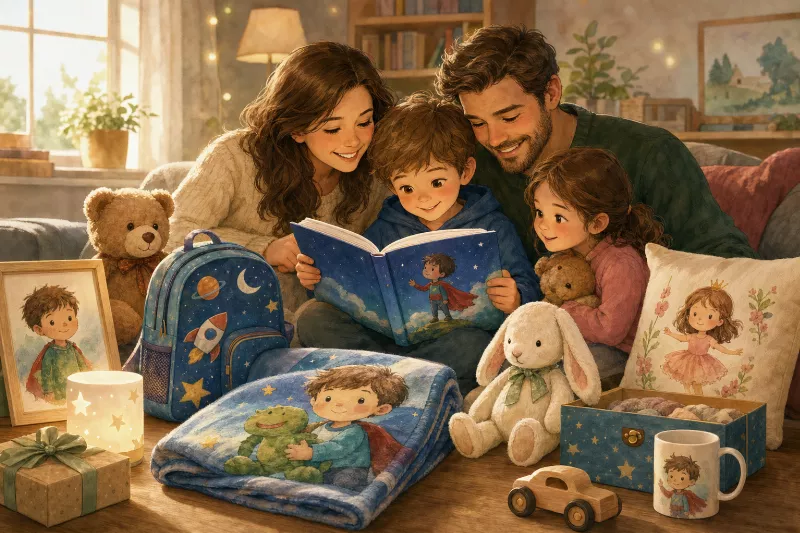
- Choose books with a personal link. A story where your child plays a role alongside the animals boosts engagement even further. A personalised animal book in which your child heads off on an adventure with their animal friends adds that extra spark of recognition.
The power of your child as the main character
Something special happens when a child isn't just watching the animals but standing right there among them. That feeling of "this is about me" boosts engagement enormously. Research into personalisation in children's books shows that children stay focused for longer and remember more of a story when their own name and image appear in it.
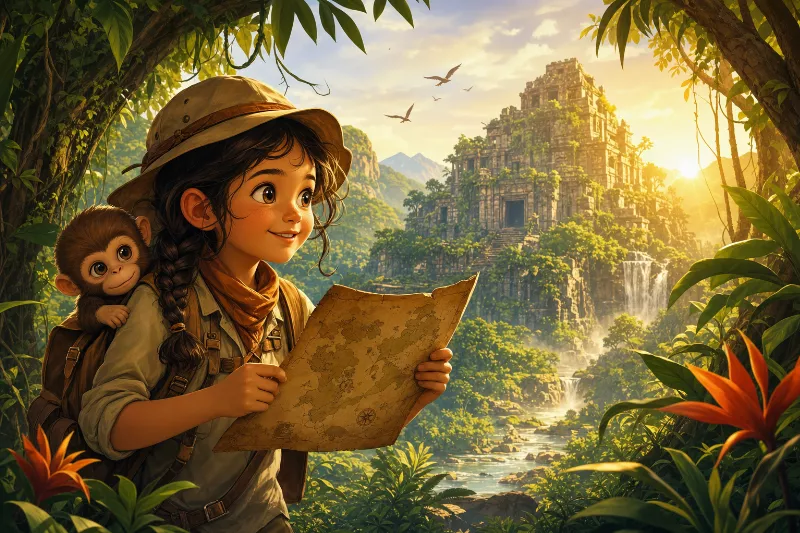
Imagine a tale where your child searches for hidden treasure alongside a brave bear and a clever fox. The universal appeal of animals meets the personal thrill of hearing your own name. For children just learning to read, that's a powerful motivator, since their own name is usually one of the first words they recognise. Curious how that looks? Take a peek at some examples or browse the ideas for personalised books.
A book like this also makes a gift that lasts. Unlike a toy forgotten in a corner after a week, an animal story where the child is the hero gets requested again and again.
The lasting magic of animal stories
Animal stories are not a passing trend or a phase. They touch something fundamental in the way children make sense of the world. They offer recognition without judgment, courage in small forms, and emotions at a safe distance. They rise above language and culture and grow with your child from the very first "moo" to thrilling adventures in the early school years.
Whether you reach for a classic on the shelf or choose a story where your child sets off side by side with a bear and a fox, you're giving far more than a bedtime tale. You're giving language, empathy, imagination, and a moment of pure connection. And that is exactly why children, generation after generation, stay devoted to animal stories.
Last updated on
18-07-2026
Table of Contents
- The psychology behind the animal magic
- Recognition without judgment
- Why animals are more universal than people
- What animal stories add to a child's development
- Which animal books suit which age
- Ages 0-2: simplicity and repetition
- Ages 3-5: story and emotion
- Ages 6-8: adventure and humour
- How to get more from animal stories at home
- The power of your child as the main character
- The lasting magic of animal stories